
Specialty coffee direct from the farmers
Low acid coffee
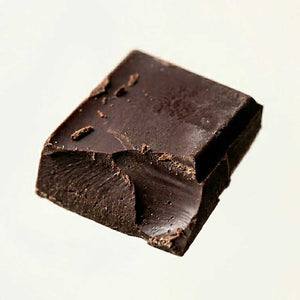
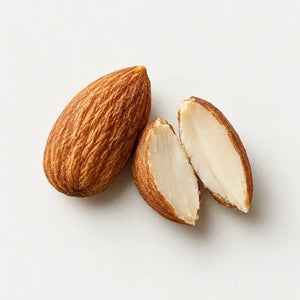
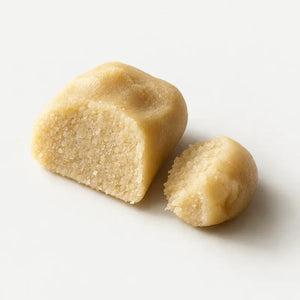
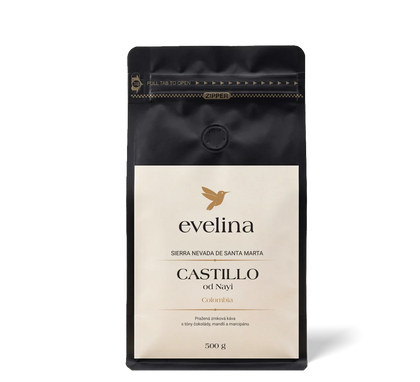
Not a fan of sour coffee? Look for a darker roast and notes of chocolate, nuts or marzipan. Here are our coffees with low acidity: full, sweet and direct from Colombian farmers.


 Naya León


Why coffee tastes sour
The acidity you taste comes from natural fruit acids in the bean. It is strongest in light roasts, in some varieties and in coffees grown very high up. A sour taste also often comes from brewing: a grind that is too coarse or an extraction that is too short.
How to choose a low acid coffee
- A medium-dark roast softens the acidity and brings out chocolate and caramel.
- Tasting notes such as chocolate, nuts, almonds or marzipan point to a coffee that is sweet rather than sour.
- Every coffee of ours shows its acidity on a 1 to 5 scale on the product page.
How to brew a less acidic cup
Grind a little finer, use water at 92 to 96 °C and let the coffee brew a little longer. The acidity then balances with the sweetness.
Frequently asked questions
Which coffee is the least acidic?
Usually a medium-dark to dark roast with notes of chocolate and nuts. Our low acid coffees are on this page.
Is dark roast coffee less acidic?
In taste, yes: a longer roast softens the fruit acids and brings out chocolate and caramel.
Why does my coffee taste sour?
Often because of a light roast, a grind that is too coarse or a short extraction. Try a finer grind and hotter water.
Is specialty coffee always acidic?
No. Specialty coffee can be full and chocolatey too; it depends on the variety, the process and the roast.
How can I tell a coffee's acidity before buying?
Every coffee of ours shows its acidity on a 1 to 5 scale and its tasting notes on the product page.
Acidity or bitterness: how do I tell them apart?
You feel acidity at the tip and sides of the tongue as freshness, like fruit. Bitterness stays at the back of the tongue and in the aftertaste. Fix sour coffee with a finer grind, bitter coffee with a coarser one.